

Inner child wounds form when a child does not receive the safety, care, or emotional support they need. As adults, these wounds show up as triggers, fears, patterns in relationships, and a sense of being disconnected from the self. Healing them is not about revisiting the past to relive pain. It is about bringing compassion to the parts of you that had to survive without guidance or protection.
What Inner Child Wounds Really Are

The “inner child” is the younger version of you that still lives within your nervous system and subconscious. Every experience you had as a child—what you felt, what you learned to fear, what you never received—stays stored in the body.
Wounds form when a child learns:
• it’s not safe to express emotions
• love must be earned
• they must stay quiet or invisible to avoid conflict
• their needs are a burden
• they must take care of others before themselves
These beliefs don’t stay in childhood. They become the blueprint for adulthood.
How Inner Child Wounds Show Up Later in Life
These wounds often appear in subtle ways. You might notice patterns such as:
• shutting down when conflict arises
• people-pleasing to avoid rejection
• struggling with worthiness and self-trust
• choosing relationships that repeat old dynamics
• feeling emotionally overwhelmed or numb
• fearing abandonment or needing constant reassurance
• difficulty setting boundaries
These patterns are not “personality traits.” They are survival responses that stayed active long after the original wound formed.
Why the Body Holds the Inner Child
Inner child wounds are emotional memories. The body remembers what the mind tries to forget. That is why certain experiences trigger reactions that feel bigger than the moment. The trigger activates the younger part of you that never felt safe.
Healing happens when those younger parts finally feel seen, soothed, and supported.
How To Begin Healing Your Inner Child
You don’t heal the inner child by forcing yourself to “get over it.” You heal by creating the conditions that were missing.
1. Build Safety in the Body
Healing requires a regulated nervous system. Slow breathing, grounding, and intentional pauses help the body shift out of survival mode. Safety is the foundation for all inner child work.
2. Recognize the Younger You
When a trigger appears, pause and ask: “How old do I feel right now?”
That simple question reconnects you with the child part seeking comfort.
3. Practice Reparenting
Reparenting is giving yourself the support you needed back then.
This might sound like:
• “You’re allowed to feel this.”
• “You didn’t deserve what happened.”
• “You are safe now.”
Consistent self-validation rewrites old emotional patterns.
4. Release Stored Emotion
Inner child wounds often hold grief, fear, anger, or shame. These emotions move through the body when they have space to be felt without judgment. Energy healing supports this release by helping the body let go of what it has carried for too long.
5. Connect With the Inner Child Through Imagery
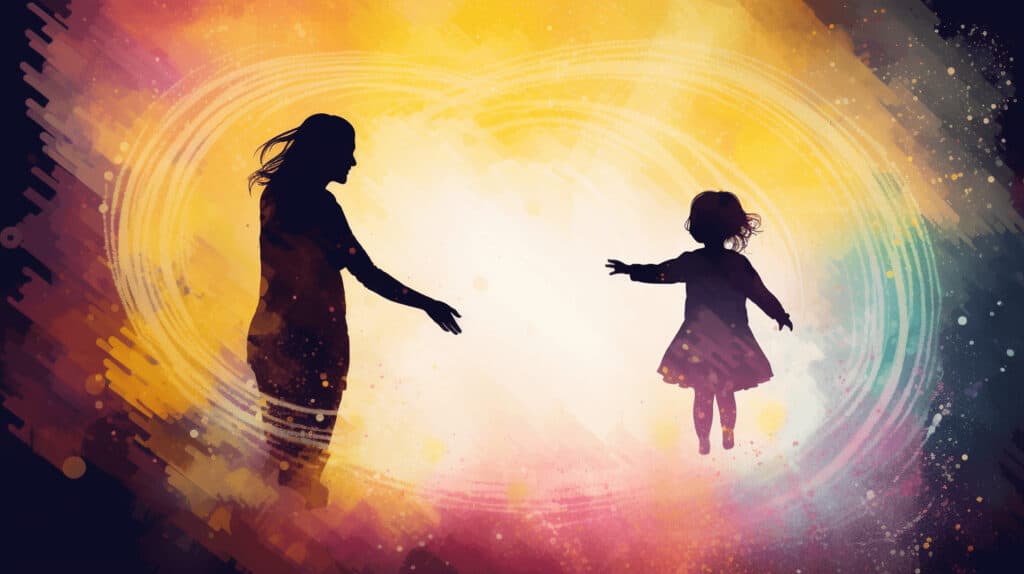
Visualizing your younger self and offering compassion creates powerful shifts. Many people find comfort in imagining themselves holding that child, listening, and offering the protection they never had.
6. Seek Support When Needed
Trauma stored in the nervous system can feel overwhelming to face alone. Guided energy healing and intuitive support help you move through these layers safely. Healing is not about reliving trauma. It is about helping the body feel safe enough to let go.
What Healing the Inner Child Allows You To Experience
When inner child wounds begin to soften, you may notice:
• clearer boundaries
• healthier relationships
• emotional stability
• deeper intuition
• self-worth that feels grounded
• the ability to trust yourself
• a sense of coming home to your true self
Healing these wounds doesn’t erase the past. It changes the way the past lives inside you.
Final Thoughts
Your inner child doesn’t need you to be perfect. They need presence, patience, and compassion. When you reconnect with these parts of yourself, you reclaim the pieces of your identity that were lost to survival.
Healing is not about becoming someone new. It is about remembering who you were before the world taught you to hide.
Recent Comments